

Table of Contents
Construction projects depend on machinery that performs safely, efficiently, and consistently. From excavators and wheel loaders to mobile cranes, telehandlers, forklifts, generators, and air compressors, every machine plays an important role in completing construction and industrial work. When equipment operates reliably, contractors can manage daily activities more effectively, maintain project schedules, and reduce unnecessary interruptions.
However, heavy machinery works under demanding conditions. Long operating hours, heavy loads, rough terrain, dust, high temperatures, and continuous use can gradually affect equipment performance. Without proper inspections and servicing, minor mechanical issues may develop into costly breakdowns that interrupt operations.
This is why Construction Equipment Maintenance is essential for reliable construction operations. Regular inspections, planned servicing, timely repairs, and proper operating practices help keep machinery in suitable working condition. They also support workplace safety, equipment availability, productivity, and long-term asset management.
For contractors and plant hire companies across the UAE, an effective maintenance programme is particularly important because equipment must often perform in challenging site conditions. Understanding how maintenance works and why it matters can help businesses make better decisions about managing, hiring, and operating construction machinery.
What Is Construction Equipment Maintenance?
Construction Equipment Maintenance refers to the inspections, servicing, cleaning, adjustments, and repairs required to keep construction machinery operating according to its intended purpose and the manufacturer’s recommendations. In simple words, equipment maintenance keeps every machine safe, reliable and ready for work.
It applies to different types of machinery, including earthmoving equipment, lifting machinery, material-handling equipment, road construction machines, and supporting plant such as generators and compressors.
Depending on the machine and its operating conditions, maintenance activities may include checking engine oil, inspecting hydraulic systems, cleaning air filters, examining tyres and tracks, testing brakes, lubricating moving parts, replacing filters, and investigating warning indicators.
Maintenance is not limited to repairing equipment after it stops working. A well-organised maintenance programme identifies potential issues before they cause major disruptions. It also records operating hours, inspection findings, service dates, replacement parts, and repair history.
For construction companies, this information helps maintenance teams plan servicing around project requirements. For equipment rental businesses, it helps ensure machinery is inspected, maintained, and prepared before being supplied to customers.
Why Is Construction Equipment Maintenance Important?
Construction machinery is expected to perform demanding tasks while supporting strict project schedules. A maintenance problem affecting one machine can disrupt several connected activities, especially when other workers and equipment depend on it. For UAE contractors, regular equipment maintenance is one of the easiest ways to protect profits.
The following benefits explain why regular maintenance should be an essential part of construction operations.
1. Reduces Unexpected Equipment Breakdowns
Unexpected breakdowns are among the most disruptive problems on construction sites. An excavator with a hydraulic fault, a wheel loader with an engine problem, or a generator that stops supplying power can interrupt planned work. Planned equipment maintenance stops small faults from turning into costly breakdowns.
These problems may also affect other activities. For example, if a wheel loader becomes unavailable, material handling may slow down, delaying vehicles and workers waiting for the next stage of the operation.
Regular Heavy Equipment Maintenance helps identify warning signs such as fluid leaks, unusual noises, overheating, worn components, and changes in operating performance. Addressing these issues early can reduce the likelihood of certain failures and help maintenance teams plan repairs more effectively.
Although no maintenance programme can eliminate every breakdown, systematic inspections and servicing can reduce preventable interruptions.
2. Improves Workplace Safety
Construction sites contain moving machinery, heavy loads, uneven surfaces, and multiple work activities taking place simultaneously. Equipment that is poorly maintained can introduce additional hazards. Good equipment maintenance protects operators, site workers and the public.
Faulty brakes, damaged tyres, defective warning alarms, leaking hydraulic hoses, and worn lifting components can affect safe operation. Regular inspections help identify these problems before equipment continues working in an unsuitable condition.
Operators should complete required pre-use checks, follow operating instructions, and report unusual behaviour immediately. Any machine with a defect that could affect safe operation should be removed from service until it has been assessed and repaired appropriately.
Maintenance work should be completed by qualified personnel using suitable procedures. Equipment should be isolated and secured before servicing whenever required, particularly when working with hydraulic pressure, electrical systems, moving components, or raised attachments.
A consistent maintenance routine supports a safer working environment for operators, maintenance teams, and other workers on site.
3. Extends the Service Life of Machinery
Construction machinery represents a significant investment for contractors and equipment rental companies. Protecting that investment requires more than operating the machine carefully. Consistent equipment maintenance can add years to the working life of a machine.
Engine components, hydraulic systems, transmissions, tyres, tracks, and other parts experience wear during normal use. When servicing is delayed or operating problems are ignored, this wear can accelerate and affect other components.
Consistent Construction Machinery Maintenance helps protect critical systems through scheduled inspections, correct lubrication, fluid checks, filter replacement, and timely repairs.
For example, a clogged air filter can restrict airflow and affect engine performance. Insufficient lubrication can increase friction between moving components. Contaminated hydraulic fluid can affect system performance and contribute to component wear.
Addressing these issues according to manufacturer guidance helps preserve equipment condition and may extend its useful service life. Actual results depend on machine type, operating conditions, maintenance quality, and workload.
4. Supports Better Productivity
Productivity depends on having the right machinery available when work needs to be completed. If equipment is frequently unavailable because of preventable mechanical issues, project activities may slow down. Well-planned equipment maintenance means fewer stoppages and faster progress.
Regular maintenance helps businesses plan servicing in advance instead of responding only when a machine fails. Maintenance teams can coordinate inspections, order replacement parts, and schedule repairs around operating requirements where practical.
This approach helps contractors manage equipment availability and reduce avoidable interruptions.
For plant hire companies, reliable machinery is also important because customers depend on hired equipment to perform specific tasks. Maintaining equipment properly and checking its condition before dispatch helps support a more dependable rental service.
5. Helps Manage Repair and Operating Costs
Maintenance requires resources, including labour, replacement parts, inspections, and servicing time. However, delaying necessary maintenance can lead to additional expenses if minor problems develop into more serious faults. Budgeting for equipment maintenance is always cheaper than paying for emergency repairs.
A small leak, for example, may indicate a damaged seal or connection. If ignored, the problem could lead to fluid loss, reduced performance, contamination, or damage to related components.
Planned maintenance helps businesses identify defects earlier, prioritise repairs, and arrange parts before a problem becomes urgent.
It can also help reduce unnecessary servicing expenses by following manufacturer-recommended intervals rather than relying on guesswork. Maintenance records allow managers to identify repeated failures, evaluate repair patterns, and make better-informed equipment management decisions.
The objective is not to eliminate every repair expense but to manage maintenance in a way that supports equipment performance and reduces avoidable costs.
6. Improves Equipment Availability
Equipment availability refers to whether a machine is ready for use when required. It is especially important on construction sites where several activities depend on the same machine or equipment category. With regular equipment maintenance, machines are ready when the project needs them.
A planned maintenance schedule helps businesses understand when each machine needs inspection, servicing, or repair. This information makes it easier to coordinate equipment assignments and reduce scheduling conflicts.
For rental businesses, maintenance records also help teams determine whether a machine is ready to be hired, requires additional inspection, or should remain unavailable until repairs are completed.
Improved availability supports better planning for both equipment owners and customers.
What Is Preventive Maintenance for Heavy Equipment?
Preventive Maintenance for Heavy Equipment involves carrying out planned inspections and servicing before equipment develops a major fault. It focuses on reducing the likelihood of failures through regular checks, scheduled component replacement, and early identification of wear. Preventive equipment maintenance is the most cost-effective approach for heavy machinery in the UAE.
Unlike reactive maintenance, which takes place after a fault occurs, preventive maintenance follows an established schedule based on manufacturer instructions, operating hours, machine condition, and working environment.
A preventive maintenance programme may include the following activities:
- Checking engine oil, coolant, hydraulic fluid, and other specified fluids.
- Inspecting belts, hoses, filters, connections, and visible components.
- Checking tyre pressure and condition or inspecting tracks and undercarriage parts.
- Testing brakes, steering, lights, alarms, and relevant safety devices.
- Lubricating components according to the recommended schedule.
- Cleaning radiators, air intakes, and areas where dust or debris accumulate.
- Inspecting attachments and checking that they are suitable and securely connected.
- Reviewing warning indicators and investigating unusual operating behaviour.
- Recording machine hours, inspection results, servicing, and repairs.
- Replacing worn or damaged components when required.
Maintenance intervals vary between machines. Some checks may be required before each shift, while other servicing activities depend on accumulated operating hours or calendar intervals.
Always follow the manufacturer’s maintenance schedule and adjust maintenance planning to reflect the actual working conditions. Equipment operating in dusty environments, under heavy loads, or for extended periods may require additional attention.
Essential Maintenance Checks for Different Types of Construction Equipment
Different machines perform different tasks, so their maintenance requirements are not identical. Understanding the main inspection areas helps operators and fleet managers organise appropriate maintenance routines.
Excavators and Earthmoving Equipment
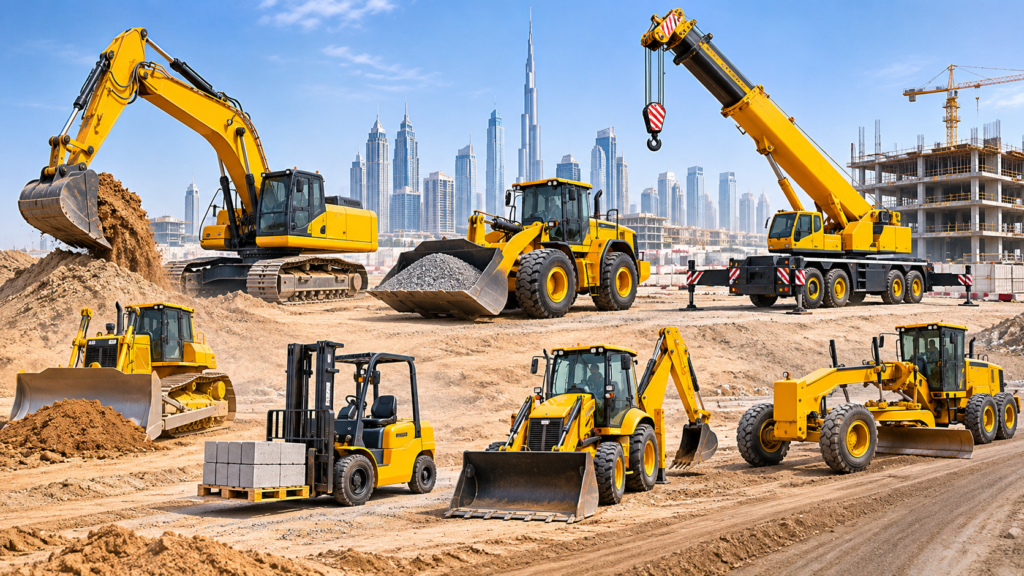
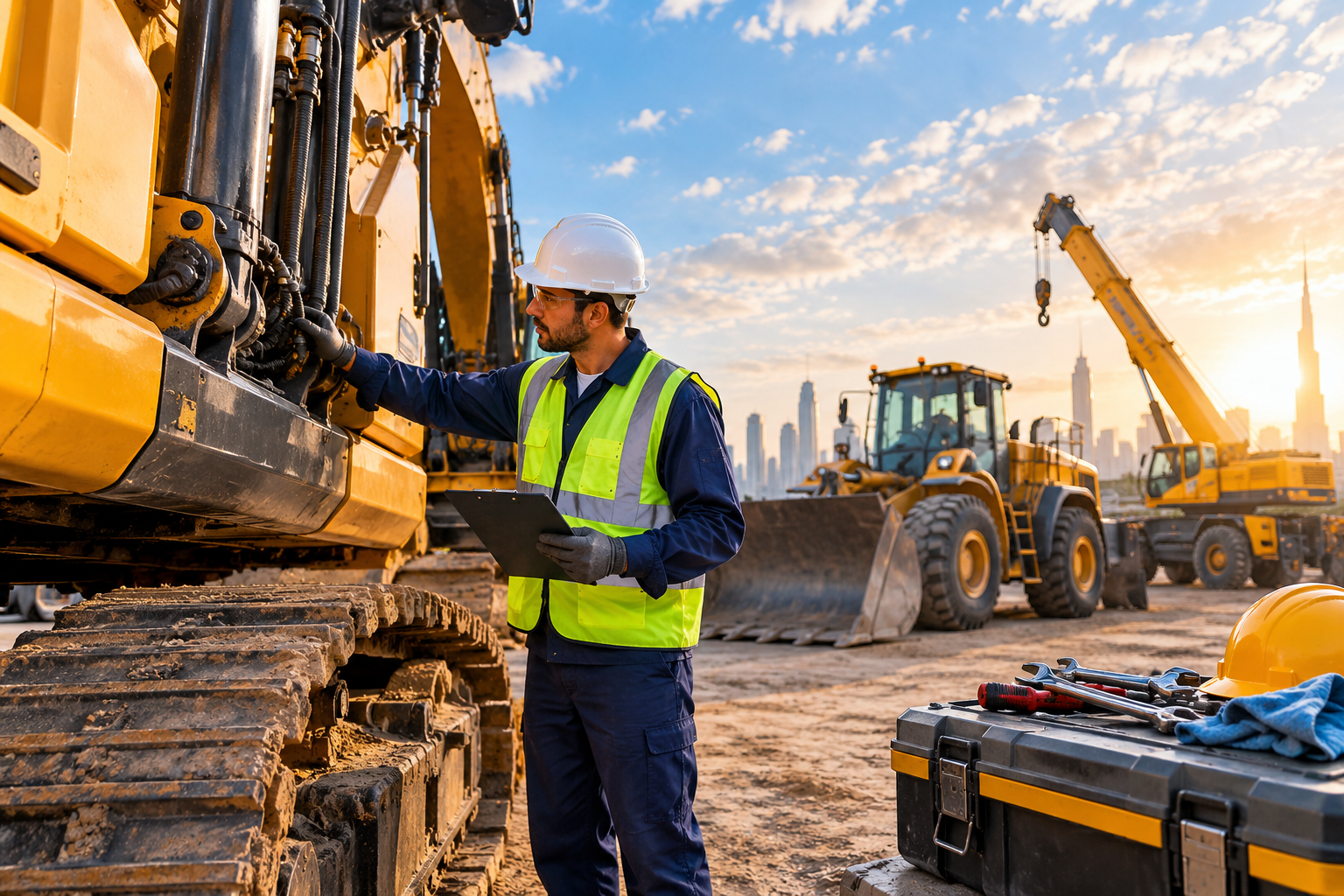
Excavators, bulldozers, and backhoe loaders operate in soil, sand, rock, and other demanding environments. Their components are exposed to abrasive materials, heavy loads, and continuous movement. Hydraulic hoses, tracks and buckets need the most attention during excavator equipment maintenance.
Important checks include inspecting hydraulic hoses and cylinders, examining tracks and undercarriage components, checking engine fluids, cleaning air filters, and monitoring bucket teeth and attachment condition.
Operators should also report unusual hydraulic movements, excessive vibration, fluid leaks, or changes in machine performance. Regular cleaning can make cracks, leaks, and damaged components easier to identify.
Wheel Loaders and Material-Handling Equipment
Wheel loaders and similar machines move aggregates, soil, construction materials, and other heavy loads. Their tyres, steering systems, brakes, hydraulic components, and attachments require appropriate inspection. Tyres, brakes and lift arms are key equipment maintenance points for loaders.
Maintenance teams should check tyre condition, inspect visible hydraulic connections, monitor fluid levels, and examine buckets and attachment points for damage.
Because wheel loaders frequently operate in dusty environments, attention to air filtration and cooling systems is particularly important.
Mobile Cranes and Lifting Equipment
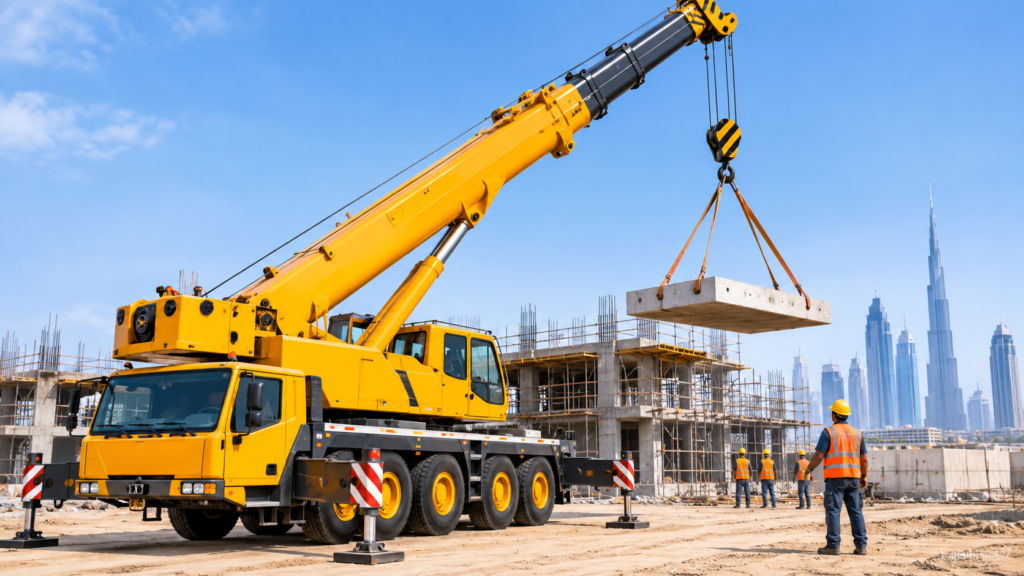
Lifting machinery requires careful attention because equipment condition directly affects lifting operations. For cranes, equipment maintenance must always include load-limiter and wire-rope checks.
Inspections should follow the applicable manufacturer procedures and relevant safety requirements. Depending on the machine, checks may include wire ropes, hooks, lifting accessories, hydraulic systems, brakes, safety devices, and structural components.
Damaged lifting components or defective safety systems must be assessed and addressed before the equipment is used. Required inspections and examinations should be completed by competent personnel at the appropriate intervals.
Operators must also follow the rated capacity limits, lifting procedures, and site requirements for the particular machine and task.
Telehandlers and Forklifts
Telehandlers and forklifts are used to lift, transport, and position materials. Their maintenance requirements may include checking tyres, brakes, steering, hydraulic systems, forks, attachments, and relevant safety devices. Mast, chains and battery checks are essential parts of forklift equipment maintenance.
For telehandlers, the boom, attachment connections, and lifting systems require attention according to the manufacturer’s instructions.
Operators should also check that the equipment is suitable for the load, lifting height, ground conditions, and working environment. Maintenance cannot compensate for incorrect equipment selection or unsafe operating practices.
Generators and Air Compressors
Supporting plant is essential for powering tools, providing compressed air, and supporting other site activities. Filters and coolant should be checked often as part of generator equipment maintenance in hot weather.
Generators may require checks of engine oil, coolant, fuel systems, air filters, electrical connections, and cooling components. Air compressors may require inspection of filters, hoses, drains, pressure controls, and other specified components.
Electrical systems and pressurised equipment must be maintained by appropriately qualified personnel using the correct safety procedures.
Practical Tips for Effective Construction Equipment Maintenance
An effective maintenance programme depends on consistent daily practices as well as scheduled professional servicing.
Follow a Regular Inspection Schedule
Prepare a maintenance checklist for each machine and define which checks are required before use, during scheduled servicing, and after particular operating conditions. A fixed schedule is the backbone of good equipment maintenance.
Daily pre-use checks can identify visible damage, leaks, missing components, or warning indicators. Scheduled servicing should follow the manufacturer’s instructions and the machine’s actual operating requirements.
Assign responsibility for inspections and ensure that defects are recorded rather than communicated informally and forgotten.
Train Equipment Operators
Operators spend significant time working with machinery and may notice changes before a mechanical fault becomes obvious during a formal inspection. Trained operators spot problems early and support daily equipment maintenance.
Training should cover correct operating procedures, basic pre-use checks, warning indicators, shutdown procedures, and defect reporting.
Operators should understand that unusual noises, overheating, leaks, warning lights, or unexpected movements require attention. They should not attempt repairs outside their training or authorisation.
Keep Equipment Clean
Dust, mud, oil, and construction debris can conceal leaks, cracks, and damaged components. Accumulated debris may also affect cooling and filtration systems. In dusty UAE conditions, cleaning is a simple but vital equipment maintenance task.
Cleaning equipment at suitable intervals makes inspections easier and helps maintenance teams identify visible problems.
Cleaning procedures should follow the manufacturer’s guidance, particularly around electrical components, sensitive sensors, bearings, and other areas that could be damaged by unsuitable cleaning methods.
Maintain Accurate Service Records
Every machine should have a clear record of inspections, operating hours, maintenance activities, repairs, and replaced parts. Clear records make equipment maintenance easier to plan and audit.
These records help maintenance teams identify recurring faults, monitor servicing intervals, and plan future work.
They can also help managers assess whether particular machines experience repeated problems under certain operating conditions and whether additional inspections or changes in operating practices are necessary.
Use Suitable Parts and Fluids
Replacement parts, lubricants, filters, and fluids should meet the manufacturer’s specifications or other approved requirements for the particular machine.
Using unsuitable components may affect equipment performance, reliability, or safety. Maintenance teams should verify compatibility before installing replacement parts.
Address Problems Promptly
Small defects should not be ignored simply because a machine can still operate. A minor leak, damaged hose, worn tyre, or faulty warning device may become a more serious concern if left unresolved.
Report problems, assess their severity, and arrange repairs based on the risk and manufacturer guidance. Equipment that is unsafe or unsuitable for operation should not return to service until the required corrective work has been completed and verified.
How Maintenance Improves Construction Equipment Reliability
Construction Equipment Reliability describes a machine’s ability to perform its intended tasks consistently under the conditions for which it is designed.
Reliable machinery supports predictable work schedules, better resource planning, and fewer disruptions caused by preventable mechanical problems.
Reliability is influenced by several factors, including equipment quality, correct machine selection, operating practices, environmental conditions, operator training, and maintenance quality.
A structured maintenance programme contributes to reliability by identifying defects early, maintaining critical components, and ensuring that equipment is inspected according to the appropriate requirements.
Businesses can also review breakdown records to identify recurring issues. If a particular component repeatedly fails, investigating the underlying cause may be more effective than repeatedly replacing the same part without addressing the problem.
For equipment rental companies, reliability is particularly important because customers expect machinery to be suitable for the job and ready for use. Pre-hire inspections, documented maintenance, and appropriate servicing help support this expectation.
However, maintenance records should always reflect actual work completed, and equipment should be supplied only when it meets the applicable operational and safety requirements.
The Importance of Equipment Maintenance in the UAE
Construction and industrial projects across the UAE can expose machinery to high temperatures, dust, sand, demanding operating schedules, and varied site conditions. These factors make regular inspections and suitable maintenance planning particularly important.
Dust and sand can affect air filtration and cooling systems. High temperatures can place additional demands on cooling systems, fluids, tyres, and other components. Heavy workloads can also accelerate wear when machinery operates continuously.
- Air filters and intake systems exposed to dust and sand.
- Radiators and cooling systems that require regular inspection and cleaning.
- Engine oil, coolant, and hydraulic fluid levels and condition.
- Tyres, tracks, and undercarriage components operating on rough surfaces.
- Hoses, seals, and visible connections that may show signs of wear or leakage.
- Safety systems and operating controls that must remain functional.
- Maintenance intervals based on operating hours and site conditions.
The exact checks and intervals depend on the machine, its design, and the environment in which it operates.
For contractors hiring machinery, it is useful to confirm the equipment’s suitability for the intended task, understand the arrangements for reporting faults, and clarify who is responsible for maintenance and repairs under the rental agreement.
These steps help businesses manage equipment-related risks and plan their operations more effectively.
The Role of Equipment Rental Companies in Maintenance
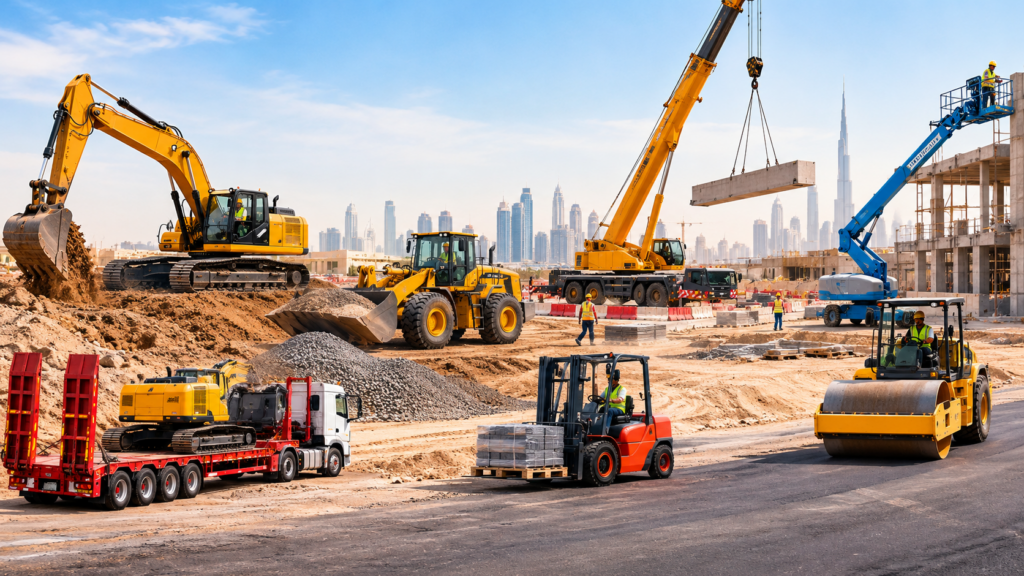
Equipment rental companies play an important role in providing machinery that is appropriate for customer requirements and maintained according to applicable procedures.
Their responsibilities may include arranging scheduled servicing, documenting maintenance activities, inspecting equipment before hire, and addressing reported defects.
Customers also have responsibilities. They should operate equipment according to the supplied instructions, complete any required operator checks, report faults promptly, and use machinery only for its intended purpose.
Clear communication between the equipment provider and customer helps prevent misunderstandings about maintenance responsibilities and equipment availability.
Before hiring machinery, contractors should confirm the required specifications, operating capacity, attachments, site suitability, and any relevant inspection or certification requirements.
For businesses operating across the UAE, choosing suitable machinery and understanding maintenance arrangements can support smoother project operations.
How to Build a Better Equipment Maintenance Plan
A structured maintenance plan makes it easier to coordinate inspections, servicing, repairs, and equipment availability across a fleet. A written equipment maintenance plan keeps the whole team on the same page.
Businesses can establish a practical plan by following these steps:
Step 1: Identify each machine. Maintain a fleet register containing equipment type, model, identification details, operating hours, and relevant manufacturer documentation.
Step 2: Establish maintenance intervals. Use the manufacturer’s schedule to determine required inspections and servicing. Account for workload and environmental conditions.
Step 3: Assign responsibilities. Clearly define the responsibilities of operators, maintenance technicians, supervisors, and equipment managers.
Step 4: Record inspection findings. Document defects, completed checks, repairs, and outstanding maintenance requirements.
Step 5: Prioritise safety-related defects. Ensure that equipment with a serious defect is not used until it has been appropriately assessed and cleared for service.
Step 6: Monitor recurring problems. Review maintenance records and breakdown history to identify repeated faults and opportunities to improve operating practices.
Step 7: Review the programme regularly. Evaluate whether maintenance intervals, staffing, spare parts, and equipment availability are appropriate for the fleet’s actual requirements.
Digital maintenance records or fleet management systems may also help larger businesses track servicing dates, operating hours, and outstanding maintenance tasks.
The best approach is one that is practical, consistently followed, and aligned with the manufacturer’s requirements.
Common Equipment Maintenance Mistakes to Avoid
Even businesses that recognise the importance of maintenance can develop habits that reduce its effectiveness. Avoiding these errors will make your equipment maintenance far more effective.
Common mistakes include:
- Delaying scheduled servicing because equipment is needed for immediate work.
- Ignoring warning indicators, unusual noises, or visible fluid leaks.
- Using unsuitable replacement parts or fluids.
- Failing to document inspections and repairs.
- Allowing unqualified personnel to perform specialised maintenance.
- Returning defective equipment to service without proper verification.
- Neglecting cleaning and inspection in dusty working environments.
- Operating machinery beyond its specified capacity or intended application.
Avoiding these mistakes requires consistent procedures, clear communication, suitable training, and management support.
Maintenance should be treated as an essential part of equipment management rather than an activity that takes place only when something goes wrong.
Conclusion
Construction Equipment Maintenance is essential for reliable construction operations because it supports workplace safety, equipment availability, productivity, and long-term machinery performance. Regular inspections, scheduled servicing, timely repairs, and accurate maintenance records help businesses identify problems early and manage equipment more effectively. Make equipment maintenance a priority and your projects in the UAE will run safer and smoother.
Heavy Equipment Maintenance and Construction Machinery Maintenance are particularly important when machinery operates under demanding workloads and environmental conditions. A well-planned Preventive Maintenance for Heavy Equipment programme can help reduce preventable breakdowns, while consistent maintenance practices support Construction Equipment Reliability.
For contractors and equipment rental companies across the UAE, machinery condition should remain an important consideration throughout equipment selection, operation, servicing, and maintenance planning.
By combining suitable equipment, trained operators, manufacturer-recommended maintenance, and clear reporting procedures, businesses can support more dependable construction operations and reduce avoidable interruptions.
Looking for equipment for your next project? Contact Al Arabia Plant Hire to enquire about machinery availability and suitable equipment for your construction or industrial requirements.