

Table of Contents
Choosing the right Plant and Equipment is one of the most important decisions for any construction, infrastructure, industrial, or heavy-duty project. The machinery you select can directly affect productivity, project timelines, operating costs, workplace safety, and the overall quality of your work.
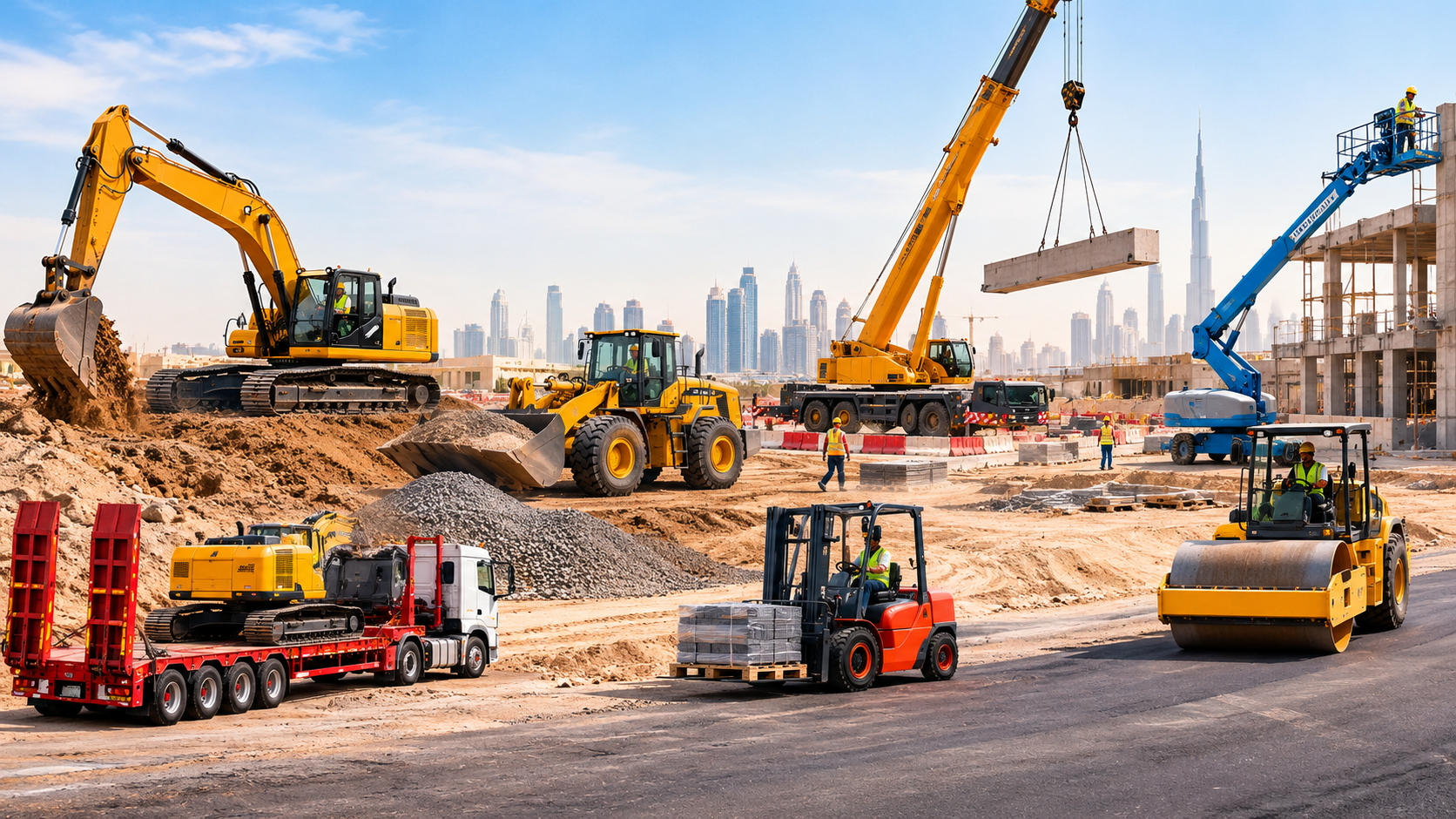
From excavators and wheel loaders to mobile cranes, forklifts, boom lifts, generators, road rollers, and trailers, different types of Machinery. are designed for different applications. Selecting the right machinery requires careful consideration of the project’s requirements, site conditions, equipment capacity, rental period, transportation, and budget.
Whether you are managing a construction site, infrastructure project, warehouse, industrial facility, or road development project, choosing suitable Machinery can help your team complete work more efficiently and reduce unnecessary delays.
In this guide, we will explain the key factors you should consider when choosing Machinery for your project.
What Is Plant and Equipment?
Machinery refers to heavy machinery, specialised machinery, tools, and equipment used for construction, infrastructure, industrial, transportation, and other large-scale projects.
Depending on the application, Machinery can include:
- Excavators
- Wheel loaders
- Bulldozers
- JCB machines
- Mobile cranes
- Forklifts
- Boom lifts
- Scissor lifts
- Road rollers
- Compactors
- Tipper trucks
- Low-bed trailers
- Water tankers
- Diesel generators
- Air compressors
Each type of Machinery has a specific purpose. An excavator is commonly used for digging and earthmoving, while a mobile crane is designed for lifting and positioning heavy materials.
Understanding what each machine is designed to do is the first step towards selecting the right Machinery.
Why Choosing the Right Plant and Equipment Matters
The right Machinery can have a major impact on the efficiency and profitability of a project.
Suitable machinery can help you:
- Improve productivity
- Complete work faster
- Reduce manual labour
- Minimise project delays
- Improve workplace safety
- Handle heavy materials efficiently
- Reduce unnecessary operating costs
- Improve overall workflow
On the other hand, unsuitable Machinery can result in low productivity, increased fuel consumption, unexpected breakdowns, safety risks, and project delays.
For this reason, equipment selection should be part of your initial project planning.
1. Understand Your Project Requirements
The first step when choosing Machinery is to understand your project requirements.
Before renting or purchasing machinery, identify the exact tasks that need to be completed. Consider the materials involved, the workload, the working environment, and the expected project duration.
For example, an excavation project may require an excavator with a suitable bucket capacity and digging depth. A structural construction project may require a mobile crane with sufficient lifting capacity and reach.
Ask yourself:
- What type of work needs to be completed?
- What materials need to be lifted or moved?
- How much material needs to be handled?
- What lifting capacity is required?
- What digging depth is required?
- What working height is needed?
- How frequently will the machinery be used?
- How long will the project last?
Having clear answers to these questions will make it easier to select suitable Machinery.
2. Select Plant and Equipment Based on Capacity
Equipment capacity is one of the most important factors when selecting Machinery.
Every machine has specific operating limits. Choosing equipment with insufficient capacity can reduce productivity and potentially place unnecessary stress on the machinery.
For lifting applications, consider:
- Maximum lifting capacity
- Required lifting height
- Load weight
- Load dimensions
- Working radius
- Ground conditions
For earthmoving machinery, consider:
- Bucket capacity
- Digging depth
- Operating weight
- Reach
- Ground clearance
- Expected workload
The objective is to select Machinery that is capable of handling the required work efficiently.
Oversized machinery may also increase rental, fuel, transportation, and operating costs. Therefore, selecting machinery that matches your actual requirements can provide better overall value.
3. Consider the Project Site and Terrain
The conditions at your project site can significantly influence your choice of Machinery.
Construction and industrial sites can have very different environments. Some sites may be open and spacious, while others may have narrow entrances, uneven surfaces, slopes, soft ground, or restricted working areas.
Before selecting Machinery, evaluate the following factors.
Ground Conditions
Determine whether the ground is hard, soft, muddy, rocky, or uneven. Certain machines may perform better under specific ground conditions.
Available Space
Measure the working area and access points. Large machinery may not be suitable for confined spaces.
Site Access
Check whether the selected Machinery can safely enter and exit the site. Consider gates, roads, ramps, bridges, and overhead restrictions.
Working Height
If the project involves elevated work, select machinery that can safely reach the required height.
Operating Environment
Consider whether the equipment will be used outdoors, indoors, on roads, in warehouses, or in specialised industrial environments.
Selecting Machinery according to the actual site conditions can improve efficiency and help reduce operational risks.
4. Consider Plant and Equipment Rental
For many businesses, renting Machinery can be more practical than purchasing machinery, especially when equipment is required for a specific project or limited period.
Purchasing heavy machinery requires a substantial upfront investment. Businesses may also need to consider maintenance, storage, insurance, depreciation, transportation, and other ownership costs.
With Plant and Equipment rental, businesses can access the machinery they need without committing to long-term ownership.
Rental can be particularly useful when:
- Machinery is required for a short-term project.
- Different projects require different equipment.
- You want to reduce upfront investment.
- Specialised equipment is only needed occasionally.
- You want greater flexibility.
- You want to reduce long-term equipment ownership responsibilities.
For example, a company may need an excavator for one project and a mobile crane for another. Renting allows the business to select the appropriate Plant and Equipment according to each project’s requirements.
5. Compare the Total Cost of Plant and Equipment
Rental price is an important consideration, but it should not be the only factor when choosing Plant and Equipment.
The total cost may include:
- Daily or monthly rental charges
- Transportation
- Fuel
- Operator costs
- Maintenance
- Delivery and collection
- Attachments
- Additional services
A machine with a lower rental price may not always be the most economical option. If it consumes more fuel or works at a slower rate, the overall project cost could be higher.
When comparing Plant and Equipment, consider the total operating cost and expected productivity.
The best choice is usually equipment that offers a good balance between performance, reliability, efficiency, and cost.
6. Check the Condition of Plant and Equipment
The condition of your Plant and Equipment can directly affect project productivity.
Poorly maintained machinery can experience unexpected breakdowns, resulting in downtime, additional costs, and project delays.
Before hiring Plant and Equipment, ask about its maintenance and inspection history.
Important components to check include:
- Engine
- Hydraulic systems
- Brakes
- Tyres or tracks
- Electrical systems
- Safety systems
- Controls
- Attachments
Well-maintained Plant and Equipment is more likely to provide reliable performance throughout the project.
Working with a professional equipment rental company can also make it easier to access machinery that is regularly inspected and maintained.
7. Prioritise Safety
Safety should always be a priority when selecting Plant and Equipment.
Heavy machinery can create significant risks if it is not selected, maintained, or operated correctly.
Before using any Plant and Equipment, ensure that the machinery is appropriate for the intended task and has the required safety features.
Depending on the equipment, these may include:
- Warning alarms
- Emergency stop systems
- Safety guards
- Load indicators
- Reversing alarms
- Stability systems
- Operator protection systems
Operators should also have the appropriate training and experience to operate the machinery.
Following manufacturer instructions and project-site safety procedures can help create a safer working environment.
8. Choose Plant and Equipment According to the Task
Different types of Plant and Equipment are designed for different applications.
Understanding the purpose of each machine can help you make a better selection.
Excavators
Excavators are commonly used for:
- Digging
- Trenching
- Earthmoving
- Foundation work
- Site preparation
- Material handling
Wheel Loaders
Wheel loaders are useful for:
- Moving materials
- Loading trucks
- Handling aggregates
- Stockpile management
- General construction work
Mobile Cranes
Mobile cranes are designed for:
- Heavy lifting
- Construction projects
- Structural installation
- Material positioning
- Industrial lifting operations
Forklifts
Forklifts are commonly used for:
- Warehouse operations
- Loading and unloading
- Moving pallets
- Material handling
- Industrial applications
Boom Lifts and Scissor Lifts
Boom lifts and scissor lifts are suitable for various elevated construction, maintenance, installation, and industrial tasks.
Road Rollers and Compactors
Road rollers and compactors are commonly used for road construction, surface preparation, and ground compaction.
Choosing Plant and Equipment based on the specific task ensures that the machinery is being used effectively.
9. Consider Transportation Requirements
Transportation is another important factor when selecting Plant and Equipment.
Large and heavy machinery may require specialised transportation depending on its size, dimensions, and operating weight.
Before arranging Plant and Equipment, consider:
- Equipment dimensions
- Equipment weight
- Road access
- Site entrance size
- Loading and unloading requirements
- Delivery schedules
- Transportation requirements
Planning transportation in advance can help prevent unnecessary project delays.
For larger machinery, specialised trailers such as low-bed trailers may be required to transport the Plant and Equipment safely between locations.
10. Consider the Project Duration
The duration of your project can influence the most suitable Plant and Equipment rental arrangement.
For short-term projects, daily or weekly rental options may be suitable. For longer projects, monthly rental arrangements may provide greater convenience and potentially better value.
Before renting Plant and Equipment, estimate how long the machinery will be required.
Avoid renting machinery for significantly longer than necessary. At the same time, consider possible project extensions so you can discuss flexible rental arrangements with your supplier.
Planning the rental duration in advance can help control costs and ensure equipment remains available when required.
11. Consider Fuel Efficiency
Fuel consumption can become a significant expense when operating heavy Plant and Equipment for extended periods.
When comparing similar machines, consider their expected fuel consumption and operating efficiency.
Fuel-efficient Plant and Equipment can help reduce ongoing operating expenses, particularly when machinery is used for several hours every day.
However, fuel consumption should always be considered alongside productivity. A machine that uses slightly more fuel but completes work considerably faster may provide better overall value.
12. Check Available Attachments and Accessories
Some Plant and Equipment can be used with different attachments and accessories.
For example, excavators can be equipped with different buckets and specialised attachments depending on the application.
Before hiring Plant and Equipment, ask whether the attachments you need are included in the rental or available separately.
The correct attachment can improve productivity and make the machinery more suitable for a particular task.
This is especially important when your project involves multiple types of work and you want to maximise the usefulness of the equipment.
13. Work With a Reliable Plant and Equipment Rental Company
Choosing a reliable supplier is just as important as selecting the right machine.
A professional Plant and Equipment rental company can help you identify suitable machinery based on your project requirements, site conditions, budget, and rental duration.
When choosing a supplier, consider:
- Range of available equipment
- Equipment condition
- Maintenance practices
- Delivery support
- Rental flexibility
- Technical assistance
- Customer service
- Transparent rental terms
An experienced supplier can help you avoid selecting Plant and Equipment that does not match your requirements.
They can also help you understand equipment specifications and identify machinery that is appropriate for your project.
Common Mistakes to Avoid When Choosing Plant and Equipment
Selecting Plant and Equipment without proper planning can lead to unnecessary expenses and delays.
Here are some common mistakes to avoid.
Choosing Only Based on Price
The cheapest Plant and Equipment option may not always provide the best value. Consider productivity, reliability, fuel consumption, maintenance, and total operating costs.
Ignoring Site Conditions
Machinery that performs well on one project site may not be suitable for another. Always evaluate terrain, access, space, and ground conditions.
Selecting the Wrong Capacity
Underpowered Plant and Equipment can reduce productivity, while oversized machinery can increase operating and transportation costs.
Ignoring Maintenance
Poorly maintained equipment can result in unexpected breakdowns and downtime.
Forgetting Transportation
Always consider how the Plant and Equipment will reach the project site and how it will be removed after the work is completed.
Not Planning the Rental Period
Estimate your equipment requirements carefully and discuss flexible rental options with your supplier.
Plant and Equipment Rental in the UAE
Construction, infrastructure, industrial, and logistics projects across the UAE require dependable machinery for a wide range of applications.
From excavation and earthmoving to heavy lifting, material handling, transportation, road construction, and industrial operations, suitable Plant and Equipment can help businesses complete demanding tasks efficiently.
When selecting Plant and Equipment in the UAE, businesses should consider project requirements, site conditions, equipment capacity, availability, transportation, rental duration, safety, and overall operating costs.
Choosing a local Plant and Equipment rental provider can also make it easier to access the right machinery when required.
A professional rental company can provide different types of Plant and Equipment for short-term and long-term projects, helping businesses avoid the high upfront investment associated with purchasing heavy machinery.
How to Make the Right Plant and Equipment Decision
A simple step-by-step approach can make equipment selection easier.
Step 1: Identify the Task
Clearly define what you need the Plant and Equipment to accomplish.
Step 2: Assess the Site
Check the terrain, access, available space, and operating environment.
Step 3: Determine Capacity
Identify the required lifting capacity, digging depth, reach, load capacity, or other relevant specifications.
Step 4: Compare Options
Compare different types of Plant and Equipment based on performance, reliability, fuel efficiency, and cost.
Step 5: Check Condition
Make sure the selected machinery is properly maintained and suitable for the project.
Step 6: Plan Transportation
Determine how the equipment will be delivered to and removed from the project site.
Step 7: Select a Reliable Supplier
Work with an experienced Plant and Equipment rental provider that can support your requirements.
Following these steps can make the equipment selection process more organised and efficient.
Final Thoughts
Choosing the right Plant and Equipment requires careful planning and consideration. The best machinery for your project depends on the type of work, site conditions, required capacity, project duration, safety requirements, transportation needs, and overall budget.
Instead of choosing equipment based only on rental price, consider the complete value that the machinery can provide. Reliable and suitable Plant and Equipment can improve productivity, reduce downtime, support safer operations, and help keep your project on schedule.
Whether you need excavators, cranes, wheel loaders, forklifts, boom lifts, scissor lifts, road rollers, generators, trailers, or other heavy machinery, selecting the right Plant and Equipment can make a significant difference to your project’s performance.
For construction and industrial projects in the UAE, working with an experienced Plant and Equipment rental provider can make the process easier by helping you identify machinery that matches your project requirements.
With proper planning and the right Plant and Equipment, your team can work more efficiently, manage resources effectively, and complete projects with greater confidence.